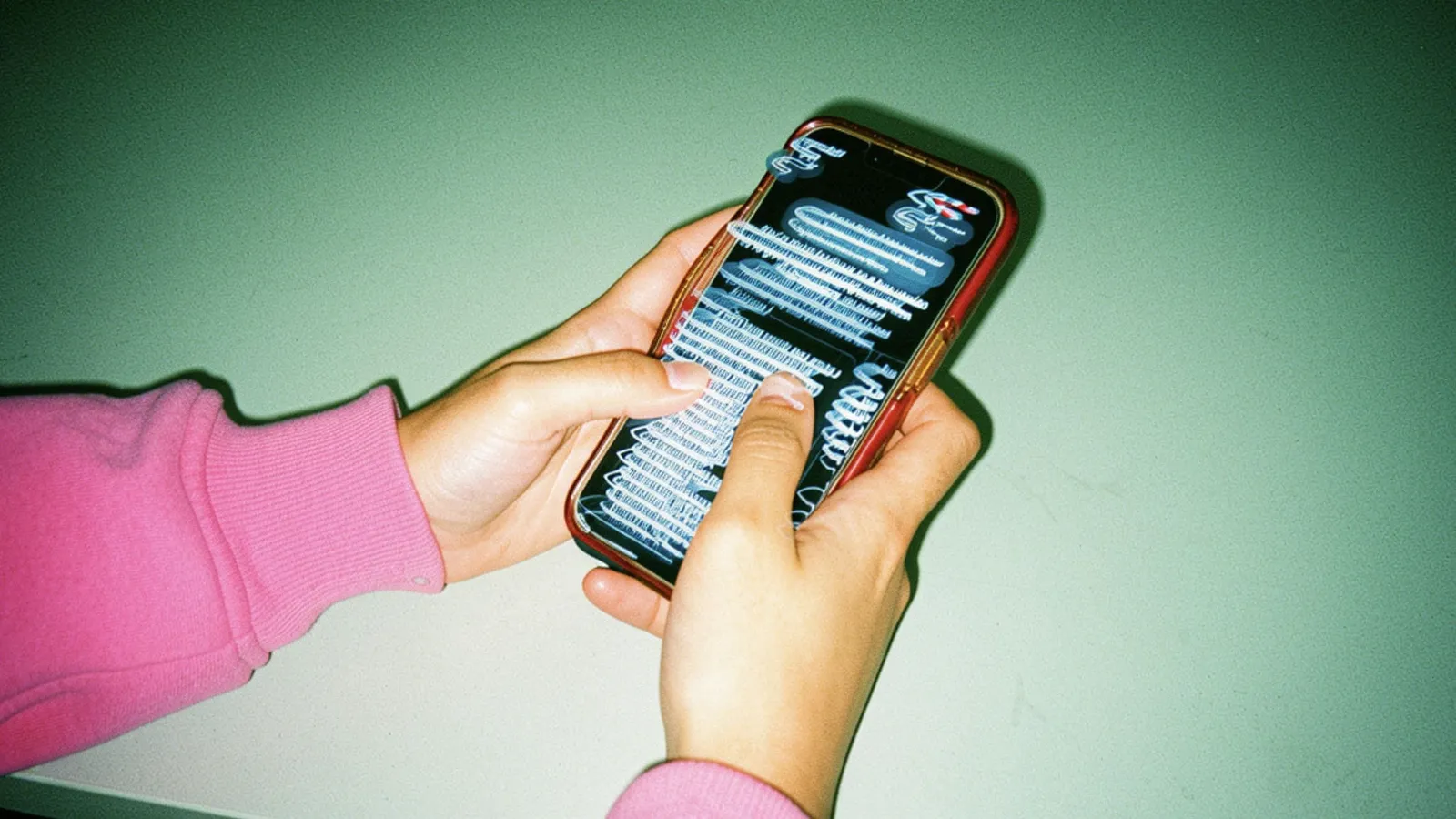

I hate admitting this, but I can look at a website for about two seconds and tell you it was written by AI. The rhythm of it, the way every sentence is the same length, the "in today's fast-paced world" energy even when those exact words aren't there. I do this for a living and I can spot it instantly. Which means one thing you should sit with: if I can tell, so can Google, and so can your customers. They might not be able to explain why a site feels hollow. They just click away.
And it's not just websites. Open LinkedIn and scroll for thirty seconds. Same hooks. Same fake-humble opener. Same "I'm going to be honest with you" followed by nothing honest. Same little one-line paragraphs stacked for fake drama. It all blurs together, because everyone reached for the same tool and the tool gives everyone the same voice.
How much of the internet is AI-written now?
This isn't a feeling. Two different AI-detection companies measured it, months apart, and landed in the same place. Pangram scanned over a million social posts across five platforms this spring and flagged 41 percent of long-form LinkedIn posts as fully AI-generated. Originality.ai had found roughly the same thing the previous fall. Not AI-assisted. Generated. And both frame that as a floor, not a ceiling, since their detectors are built to play it safe. LinkedIn made up a third of the posts Pangram looked at but nearly two-thirds of all the AI it caught. It got bad enough that LinkedIn itself started downranking AI posts to keep its feed usable, and the announcement of that crackdown was, reportedly, itself AI-generated. The platform where "thought leadership" is supposed to live can't even announce its own cleanup without a robot writing it.
So here's the part nobody wants to hear. The thing that used to be optional, sounding like an actual person, is now the only thing you have left. Not because being authentic is noble. Because it's the last thing that can't be automated. When everything regresses to the same safe middle, the only way to stand out is to not be in the middle.
What does standing out actually look like?
Think about the ads you actually remember. I keep going back to the Doritos Super Bowl run. Sling Baby, where a grandma in a wheelchair slingshots a baby across a yard to snatch a bag of chips from a bratty kid. The one where a guy is on a date and the mom's little kid slaps him across the face and says keep your hands off my mama and keep your hands off my Doritos. The two brothers who threw a snow globe through a vending machine for free Doritos. Loud, dumb, a little unhinged. The opposite of safe.
And here's the part that makes it hit. Those weren't made by some agency in a conference room. Doritos ran a contest and let regular people submit their own commercials. Two unemployed brothers from Indiana won a million dollars. The least polished, most human stuff won, aired on the biggest stage there is, and you still remember it fifteen years later. Nobody remembers the safe one that ran right after it.
Should you stop using AI completely?
Now, I know what this sounds like, so let me be clear about something. I'm not anti-AI. I use it. I probably used it today. The difference is what you use it for. There's a version where AI helps you say what you actually think, sharper and faster. And there's a version where you let it think for you, and it quietly sands off everything that made you you until you're indistinguishable from the other 41 percent. Same tool. One makes you more yourself. The other erases you. Most people are doing the second one without noticing.
And to be fair, I get why. Everything you say online is permanent now, and being a person in public is a risk. Say something with a point of view and somebody might not like it. So people play it safe, and safe means bland, and bland means invisible. But here's the thing about the fear of being disliked: the people who were going to like you for you were never bothered by the stuff that scared off everyone else. They were drawn to it.
How do you actually sound different?
I'm not telling you to bet the company on the cringiest ad you can imagine. The bar is way lower than that. Just sound like a person. Say the specific thing instead of the safe thing. Let your weird show a little. That's it. And almost nobody will do it, because it means being okay with the fact that you're not for everybody.
That's also the whole game in search now. The businesses that sound like themselves are the ones Google and the AI engines can tell apart and recommend — it's half of what our Search Everywhere Optimization work is, why a website that sounds like you beats a template, and why we sweat the Google Business Profile details that make you show up as you.